Solar Quotes & Rebates in Brisbane, QLD
How solar quotes and rebates work in Brisbane
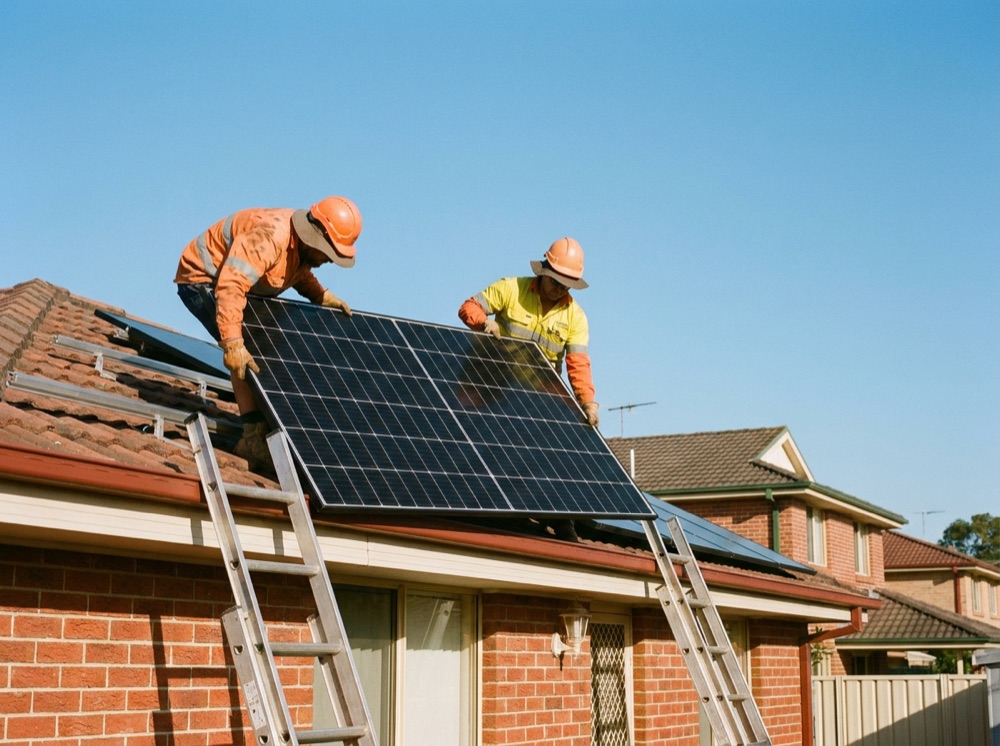
The up-front cost of a home solar system in Queensland is reduced by a federal incentive, and the power you export earns a feed-in tariff from your retailer. Understanding both before you collect quotes helps you compare offers properly and spot the difference between an honest installer and a high-pressure one.
Solar Install Brisbane is an independent local guide. We are not a solar installer and we do not sell or fit panels. We help Brisbane-area homeowners understand rooftop solar, batteries and rebates, and connect with CEC-accredited local installers for free, no-obligation quotes.
The federal STC discount
Under the Small-scale Renewable Energy Scheme, an eligible solar system creates Small-scale Technology Certificates (STCs) based on its size and location. Most installers apply the value of these STCs as an up-front, point-of-sale discount, so you rarely handle the certificates yourself. The number of certificates a system earns steps down each year and the certificate price moves with the market, so the discount is confirmed at the time of your quote, not fixed forever. The system must be installed by a CEC-accredited installer to qualify.
Queensland feed-in tariffs
When your panels produce more than your home is using, the surplus is exported to the grid and your electricity retailer pays a feed-in tariff for it. In south-east Queensland feed-in rates are set by retailers and vary, so it is worth comparing retailer plans as well as installers. Because feed-in rates are generally lower than what you pay to buy power, self-using your solar (and possibly a battery) is usually worth more than exporting.
What a fair quote includes
- Panel make/model and inverter make/model, with the system size in kW.
- The STC discount shown clearly, not hidden in a single "after rebate" figure.
- Any switchboard or meter work, warranties (product and workmanship), and the install timeline.
- Confirmation the installer and installation are CEC-accredited.
Once you understand the incentives, our solar installation and battery pages help you compare the actual systems. Collect a few quotes and compare like for like rather than on headline price alone.
Compare CEC-accredited solar installers near you
Tell us a little about your home, your roof, your power bill and whether you are considering a battery, and we will help you compare verified, CEC-accredited Brisbane-area solar installers and request free quotes. There is no obligation, and reputable installers assess your roof and usage at no cost before any system is agreed.
This page is general information, not professional energy, electrical or financial advice. Every roof and household is different, and only a CEC-accredited solar installer can confirm the right system, the real cost and the likely savings for your home after assessing your roof, usage and tariff. Rebate levels and feed-in tariffs change over time and are confirmed by your installer and retailer, not by this guide.
Frequently asked questions
There is no single price: cost depends on the system size, the panel and inverter quality, your roof type and access, and whether you add a battery. A typical Brisbane home installs a 6.6kW to 13kW system, and the federal STC scheme usually reduces the up-front price. We do not quote a figure — a CEC-accredited installer gives you an exact price after assessing your roof, your usage and your switchboard. This page is general information, not energy, electrical or financial advice.
Most of the up-front discount comes from the federal Small-scale Renewable Energy Scheme, which creates tradable certificates (STCs) based on your system size and location; an accredited installer typically applies this as a point-of-sale discount. Separately, your electricity retailer pays a feed-in tariff for excess energy you export. Eligibility, certificate values and feed-in rates change over time and are confirmed by your installer and retailer, not promised here.
A battery lets you store daytime solar to use at night, which can suit households that are home in the evenings or want more independence from the grid. Whether it pays for itself depends on your usage pattern, your tariff and feed-in rate, and the battery price, so it is a per-household calculation rather than a blanket yes. An installer can model it for your home.
System size is matched to your power use, roof space and orientation. 6.6kW is a common starting point for an average household; larger homes, high daytime use, pool pumps, ducted air-conditioning or a planned EV or battery often suit 10kW to 13kW. North-facing panels maximise total output, while east/west splits can better match morning and evening use. An on-site assessment confirms the right size.
Look for CEC (Clean Energy Council / Solar Accreditation Australia) accreditation, clear written quotes, quality panels and inverters with proper warranties, and a willingness to explain trade-offs rather than push the cheapest system. Our guide helps you compare verified, accredited Brisbane-area installers and request free, no-obligation quotes so you can compare like for like.
No. Solar Install Brisbane is an independent local guide. We help Brisbane-area homeowners understand rooftop solar, batteries and rebates and connect with CEC-accredited local installers. We do not sell, install or service solar systems ourselves.
